Alongside the introduction of algebra, chemistry, human physiology, study skills and world geography, Class 7 prepares young people for the widening horizons of adolescence. Having gradually discovered themselves, their community and the world around them, they are now ready to meet new ideas and possibilities with increasing independence.
The Seventh Year: Preparing to Meet the World
As the children stand on the threshold of adolescence, the curriculum meets their growing desire to understand the wider world and their own place within it.
In every newly introduced subject, they encounter new ways of thinking which expand awareness of the rich diversity of human culture.
This year’s curriculum encourages them to look beyond familiar boundaries with curiosity, develop discernment and accept greater personal responsibility for their learning.
Finding One’s Personal Voice
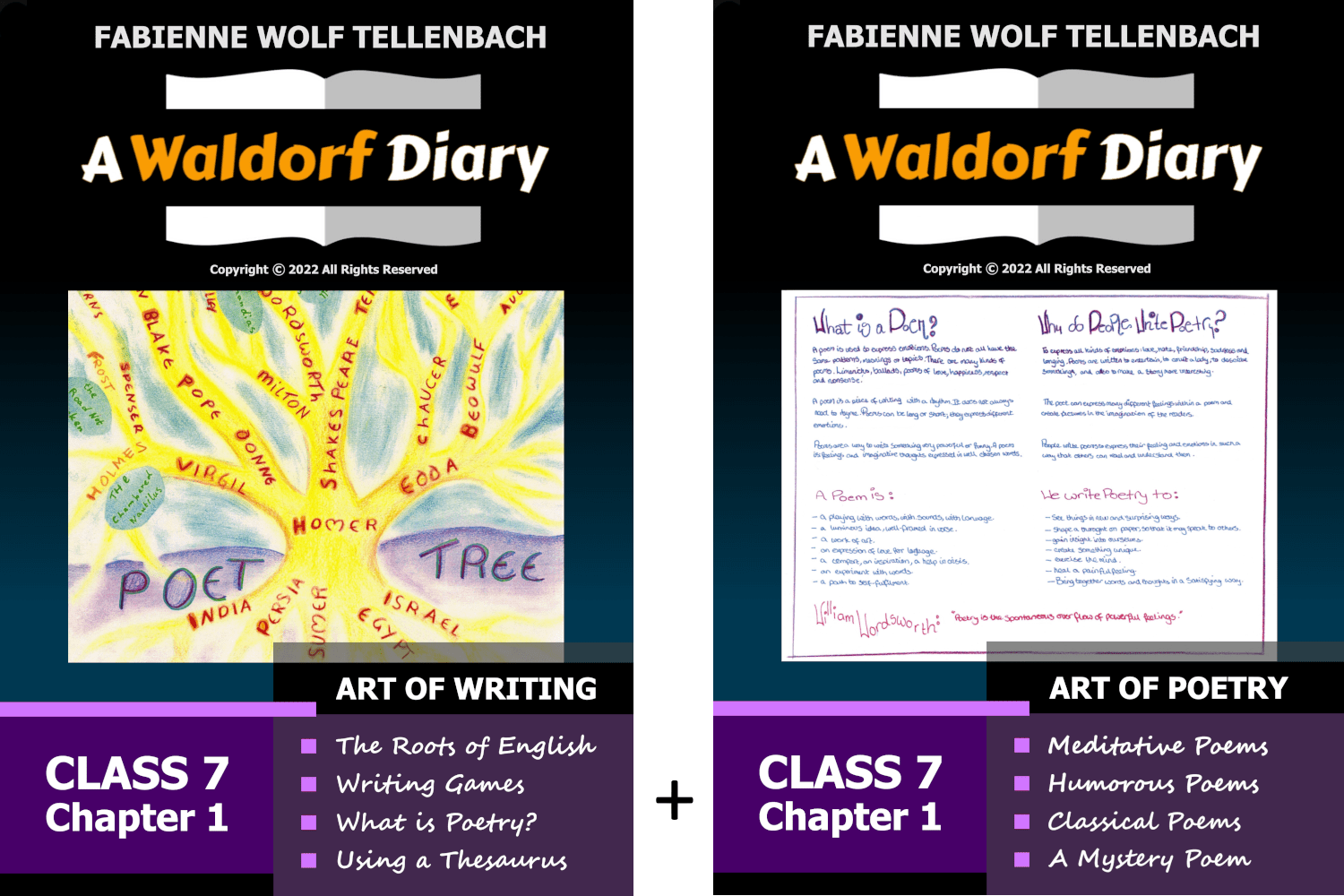
With independent written work becoming more substantial, it is useful to begin the year with a closer look at the craft of writing itself.
A wide range of creative exercises and classical poems shows how a conscious choice of words calls the intended images to the reader’s mind.
Metaphor, simile and other literary devices are explored for the first time. Poetry is now approached as something not only to be enjoyed, but also to be analysed and more deeply understood.
Most importantly, the children begin to develop a personal style as they gradually discover that writing is also about finding their own writer’s voice.
The Medieval World
History now moves from the Dark Ages of the Great Migration into the Middle Ages, when Arab ideals of knighthood and chivalry met Christianity via Muslim Spain and influenced its timeless ideals of courage, loyalty, honesty, courtesy and compassion.
With teenagers, these ideals resonate particularly deeply and provide opportunities to reflect on friendship, fairness and the occasional social conflicts that arise within the class community.
Such conflicts are mirrored in the legends of King Arthur and his Knights of the Round Table, which reveal that the striving for virtue has always involved overcoming one’s own imperfections.
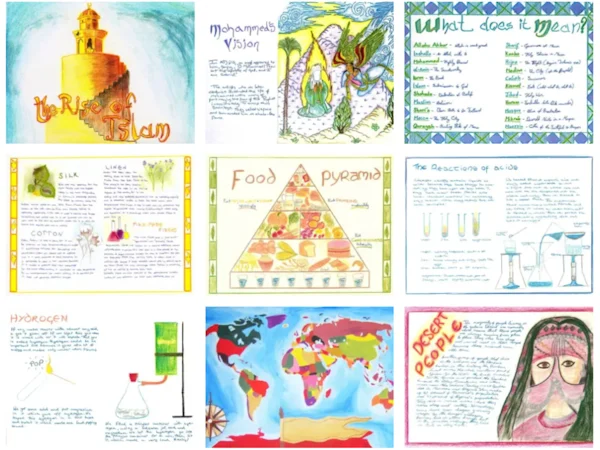
Independent research projects on aspects of medieval life strengthen study skills through practice, while beautifully illustrated bookwork allows every student to achieve success at their current level.
The World of Islam
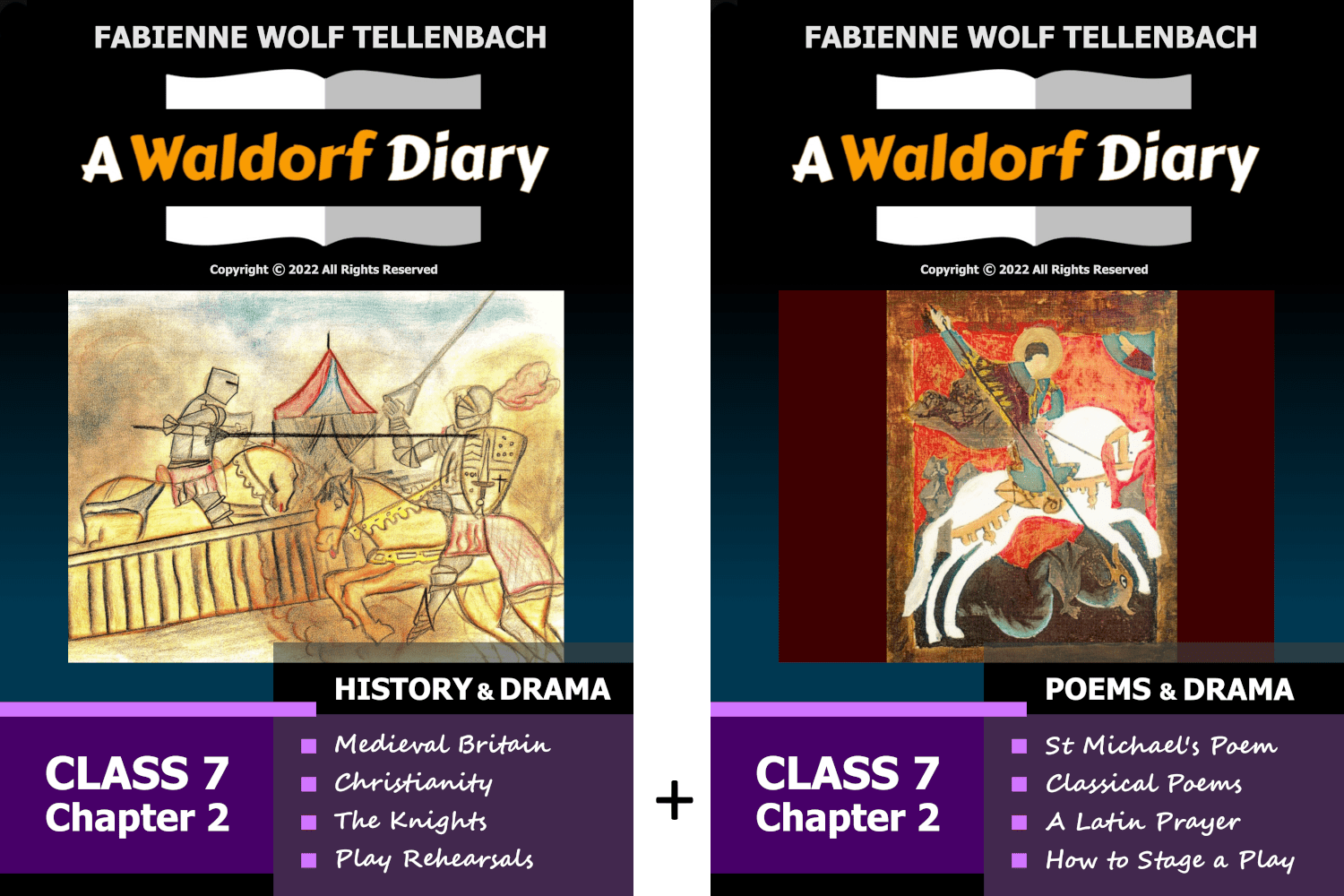
After medieval Europe, the children encounter a newly arising faith in the culture of Early Islam.
The life story of Prophet Muhammad introduces the foundations of this faith, and learning about mosques, trade routes, scholarship and general culture results in a better understanding of a different way of life that became an important player in world history.
Arabic calligraphy provides a fascinating artistic link to the illuminated manuscripts created by Christian monks in this final era before the printing press, showing that two very different cultures valued and pursued the same qualities of beauty, scholarship and devotion.
Many classes also undertake their first large theatrical production during this year – a joyful opportunity to combine music and drama with teamwork and growing self-confidence.
Mathematics – a Universal Language
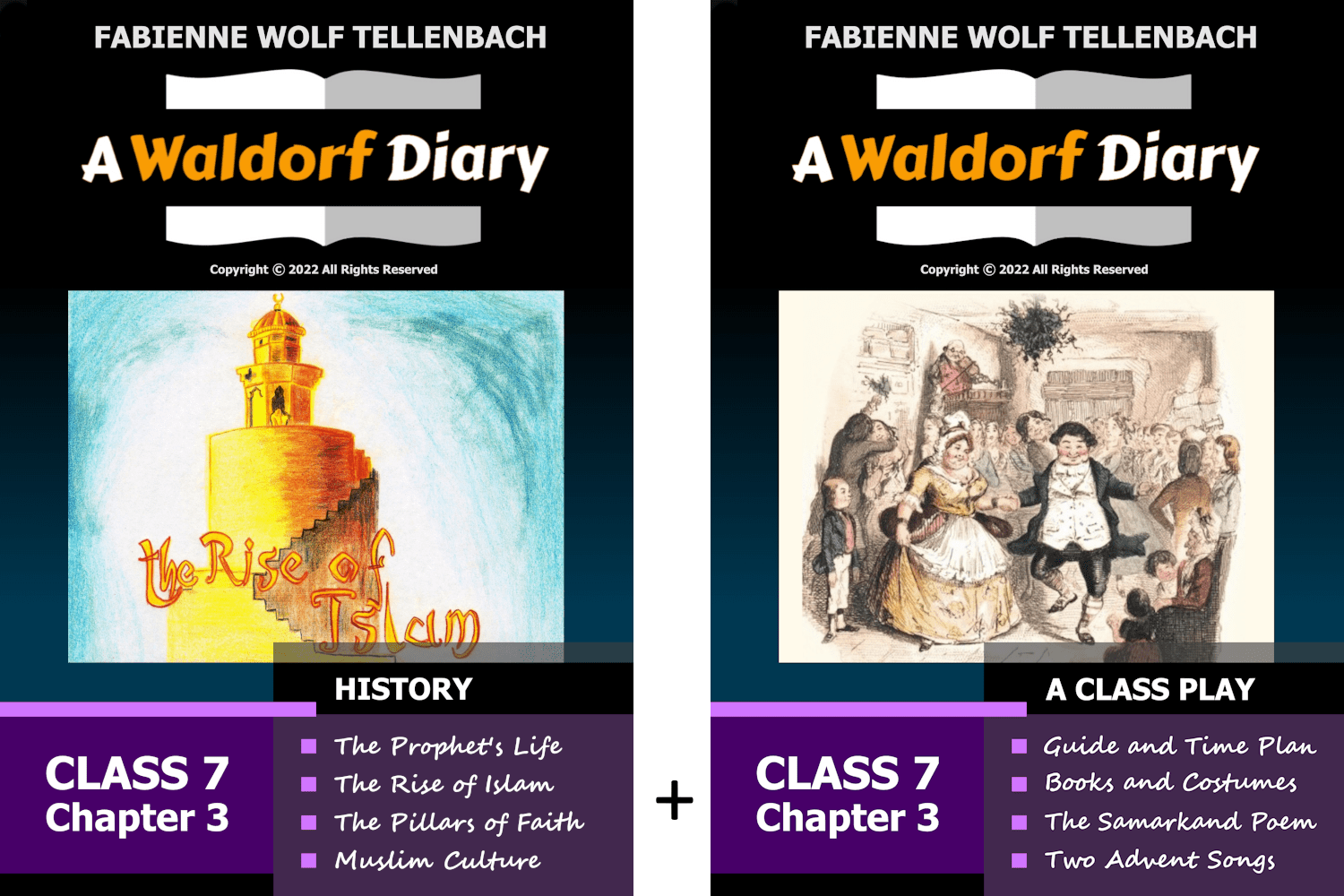
In an arithmetic and geometry block, the branch of mathematics developed in Islam’s Golden Age is introduced which we now know as algebra.
Algebra introduces an entirely new way of thinking by using letters for number values, allowing the efficient solving of problems through abstract relationships rather than calculation alone.
The historic journey of our familiar numerals from India through the Islamic world into Europe shows the children that mathematical knowledge, like so many human achievements, has been passed on across cultures through the ages.
The Fibonacci sequence leads naturally to the golden ratio, and mysterious phi invites wonder at a remarkable harmony that connects mathematics with nature and art and the sacred architecture of old.
Understanding the Human Body
The physical changes of adolescence make the study of human physiology especially timely.
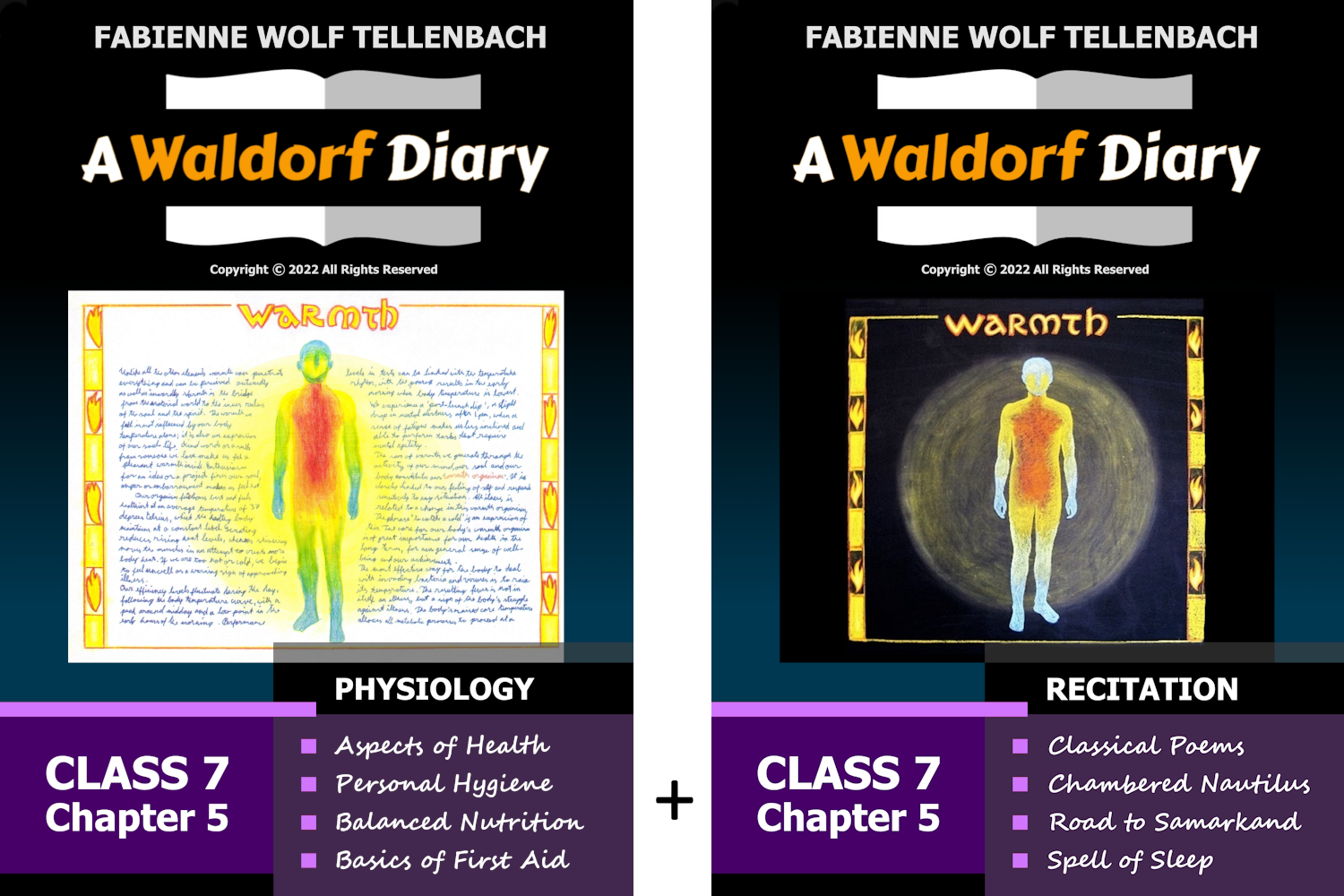
Major organ systems are explored as a wonderfully coordinated whole, and learning about health, hygiene and nutrition encourages taking responsibility for one’s personal wellbeing through healthy living.
Basic First Aid provides insight into serious threats to life while at the same time giving practical confidence through “knowing what to do”.
Factual information about the effects of alcohol, smoking, excessive sugar-intake and highly processed foods helps to make increasingly informed choices with a view to long-term health.
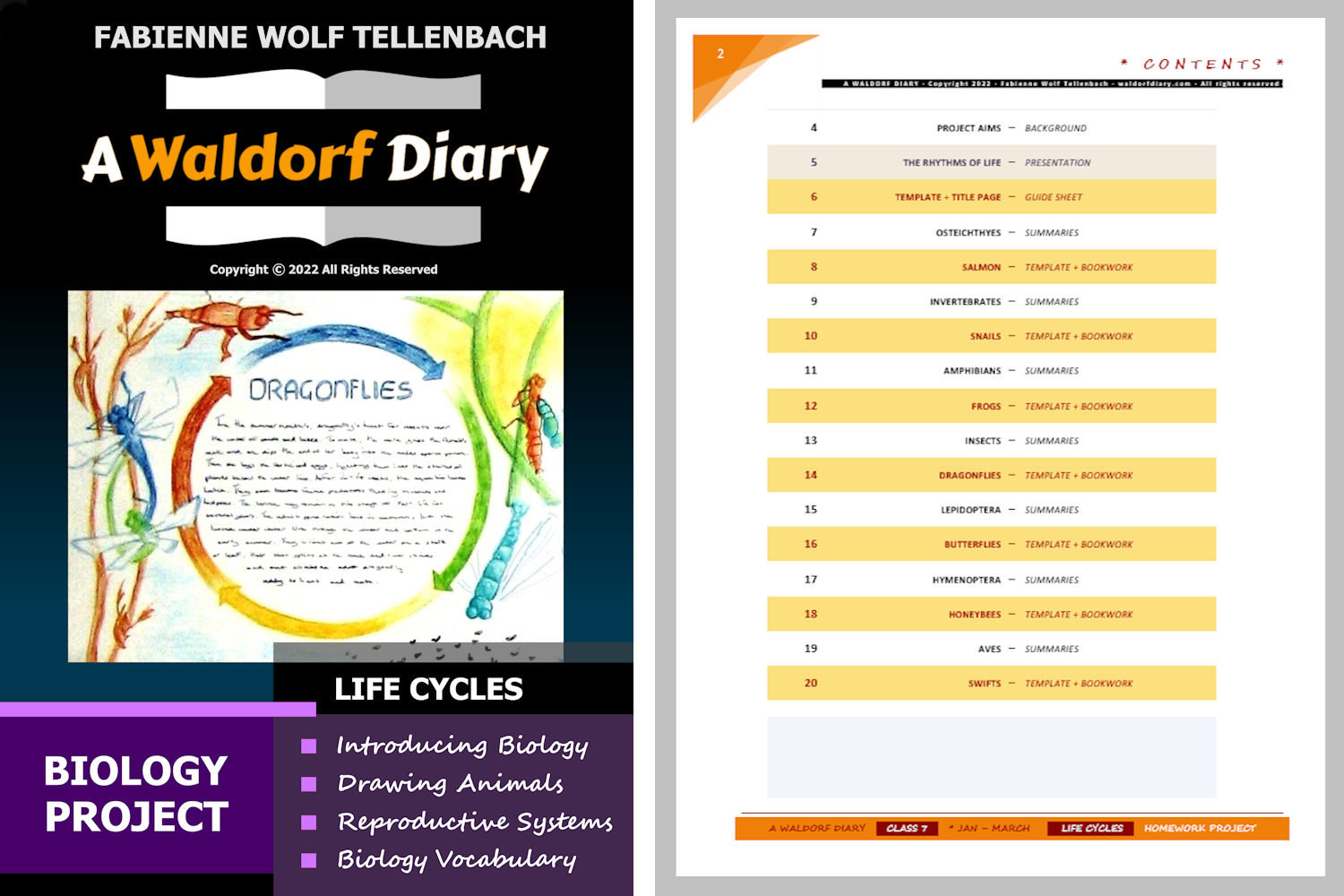
The study of life cycles and reproduction across a range of lower animals forms a picture of the ingenious ways in which life propagates itself through the mysteries of sperm and egg.
By placing procreation within the broader context of the natural world, this study introduces the pertinent vocabulary of biology and meets the children’s curiosity about one of life’s most remarkable processes.
Learning through Experiment
With chemistry, another discipline developed in the Middle East is now introduced as an exciting new way of discovering knowledge.
Before carrying out their own experiments, students learn the importance of laboratory safety, careful observation and accurate recording.
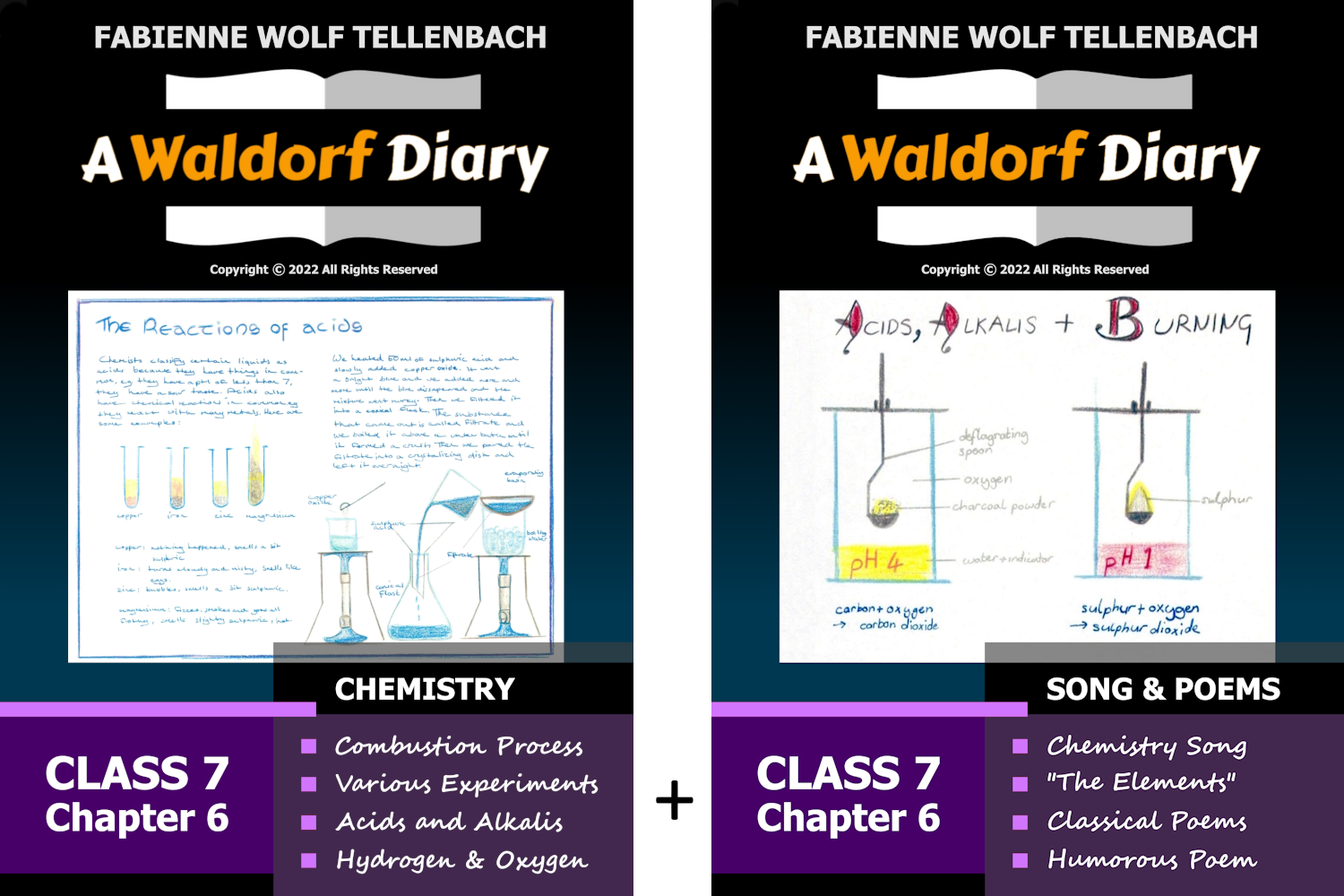
Working with flames, acids, alkalis, crystals and chemical reactions, they experience for themselves how scientific understanding comes about: noticing a particular phenomenon and studying it, and then testing possible explanations and refining them.
In this same way, Arab scientists in Islam’s Golden Age developed chemistry from Egypt’s ancient alchemy, and the children begin to understand how experiments have been used ever since to prove or disprove theories.
This first chemistry block makes it clear that scientific progress can only be established through an ongoing process of trial and error.
Mapping the World
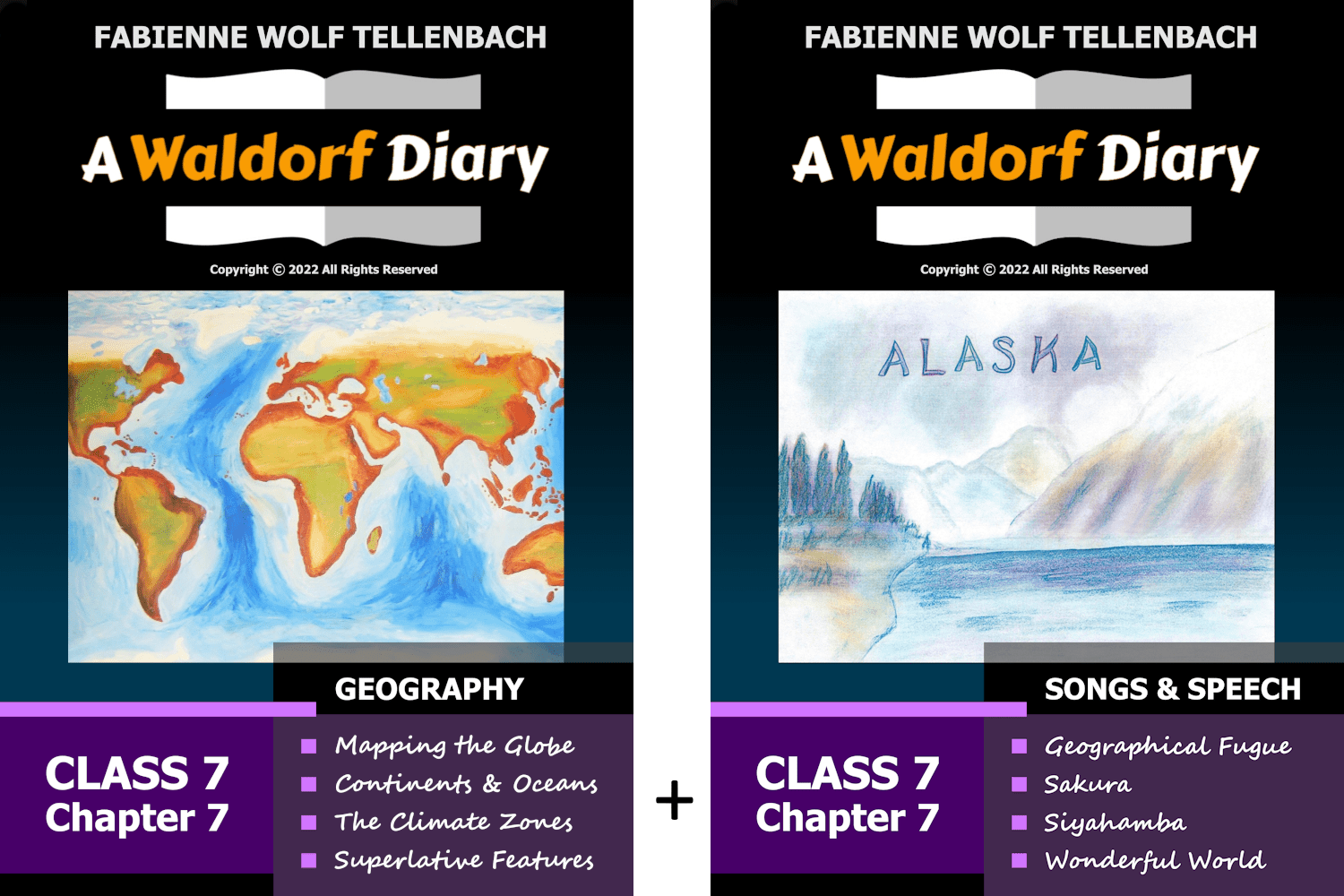
World geography now brings together everything the children have learnt about land and water features like rivers and lakes, mountains, plains and deserts in a study of earth’s continents and oceans.
They also discover the global reference grid and the need for time zones. And as they gain a clearer picture of our planet as one interconnected world, the scene is set for the year’s final block of history.
The Age of Exploration
We conclude the year with the Viking seafarers and the Mongolian Conquest that was followed by the momentous voyages of European explorers.
It is seen that the rivalry, competition and perpetual conflict of Christianity and Islam which arose in the Middle Ages became the driving force of the Renaissance that moved men to undertake extraordinary journeys for the sake of trade, religion and conquest.
Brave explorers such as Rubruck, the Polo family, Dias, Columbus, da Gama and Magellan endured incredible hardships as they ventured far beyond the known horizons of their time.
In the course of their quest, the navigators began to chart unfamiliar lands and seas, dividing them between Spain and Portugal. And in doing so, they proved Pythagoras and Eratosthenes right: The earth is indeed a sphere!
As humanity’s understanding of our planet was transformed, questions arose from exploration, cultural encounter, conquest, exploitation and colonialism that were to have a lasting impact on subsequent history.
Looking back over this year’s studies, the children recognise that every culture contributed to the shared human story. In their eyes, the world has become larger – and at the same time more closely connected.
Class 7 is not simply about a broader knowledge of history, science and geography. Its special gift is the confidence to venture beyond familiar horizons with an open mind, ready to meet the wider world.
A WALDORF DIARY – the classroom log that makes the art of Waldorf teaching visible